In a letter of resignation obtained by BoF following Tremaine Emory’s reported departure from Supreme, the designer has now confirmed his resignation as Creative Director of the storied streetwear brand.
</br>
The biggest takeaway from the letter is Emory’s allegation that Supreme fostered a culture of “systemic racism” within the company, citing the senior management’s inability to provide a reason for cancelling a collaboration with artist Arthur Jafa as evidence of his claim.
</br>
Tremaine expressed that decision makers at Supreme weren't “fully visible” as to why the collaboration was scrapped, which not only caused Emory a “great amount of stress” but also led him to believe that systemic racism was at play within Supreme.
</br>
Supreme has since released a statement refuting Emory’s claims:
</br>
"While we take these concerns seriously, we strongly disagree with Tremaine's characterization of our company and the handling of the Arthur Jafa project, which has not been canceled. This was the first time in 30 years where the company brought in a creative director. We are disappointed it did not work out with Tremaine and wish him the best of luck going forward.”
<hr/>
After just one year helming the biggest name in streetwear, Tremaine Emory has reportedly stepped down from his role of Creative Director at Supreme.
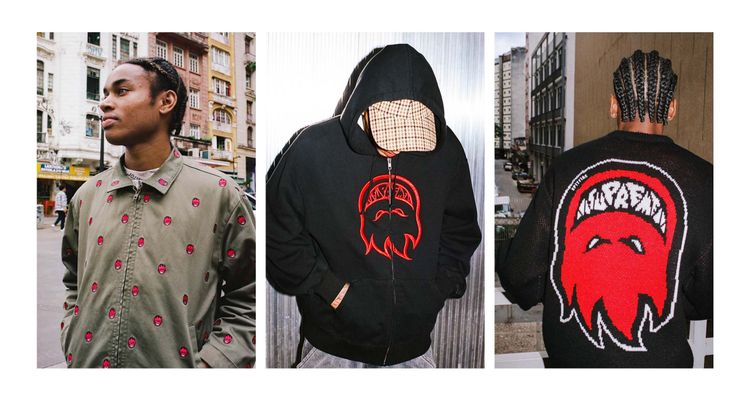
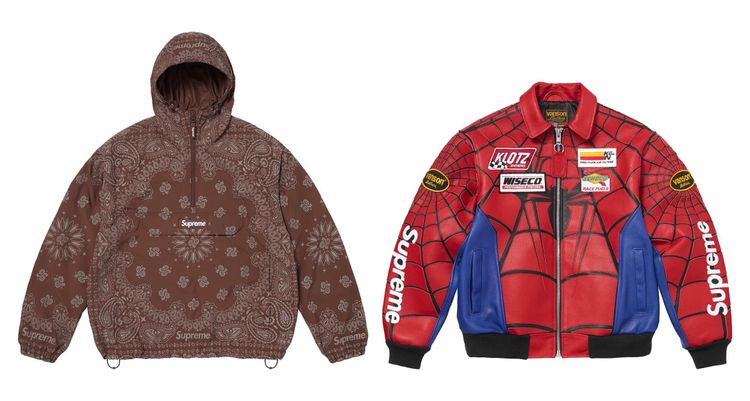
The news comes as somewhat of a shock, considering the largely positive reception for Supreme’s latest FW23 collection but in a report from Complex, sources indicate that Emory has abdicated his throne due to reasons currently unconfirmed.
</br>
Emory was appointed in February 2022 and although anyone in that position would always be subject to doubt, the design experience brought over from his brand Denim Tears and the many collaborations in its archive seemed like a strong enough portfolio for Emory to be successful at Supreme.
</br>
In a recent interview with Just Smile magazine, Emory commented on the struggles as an artist in a world of corporations, speaking to the profit-first mindset on conglomerates like LVMH and (although not explicit) the VF corporation who bought Supreme outright for $2.1 billion USD in 2020.
</br>
In the interview, Emory said:
</br>
"I would caution kids who care about the validation of these big conglomerates and media giants because these conglomerates are banks. LVMH is a bank. Kering Group is a bank. Paramount’s a bank. This is late-stage capitalism. These institutions will finance a designer, an artist, a band, a director, a writer or whatever to make something to get more money than what they put in. That’s what it’s about for them,”
</br>
"If you seek their validation because so and so made you creative director, you’re losing. In fact, you’ve already lost. But if you seek validation, firstly, in yourself and secondly, in the community that you care about and who cares about you, you’ve got a chance to live a life without regrets.”
</br>
The exclusive was published eight days ago and fits the narrative that Emory’s Creative vision for Supreme did not align with the higher-ups’ plans of potentially disregarding artistic liberties in place of hyped collaborations.
</br>
As of yet, neither party has given an official statement on the matter.